Reiki
Reiki is a gentle energy-based practice that supports relaxation, balance, and overall wellbeing. It offers a quiet, nurturing space to rest, reset, and reconnect with a sense of calm.
During a session, light touch or hands-off techniques are used to support the body’s natural healing processes. The experience is soothing and non-intrusive, allowing the nervous system to settle and the body to deeply relax.
Reiki can be helpful for stress, emotional fatigue, and times when you feel overwhelmed or depleted. Many people leave sessions feeling grounded, restored, and more connected to themselves.
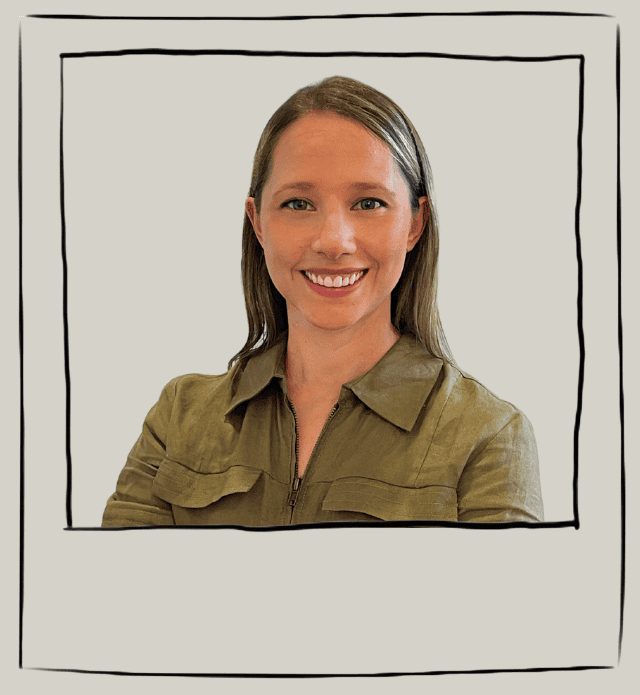
Gemma Urbini
Family Therapist + Mental Health Occupational Therapist + Reiki Master
Spinal Energetics
Spinal Energetics is a gentle, body-based modality that works directly with the nervous system and the body’s innate capacity to heal and self-regulate. It is based on the understanding that our life experiences particularly stress, trauma, and suppressed emotion are not only held in the mind but are stored within the body and along the spine, which is the central pathway of the nervous system.
Through the use of presence, breath, observation, and subtle energetic facilitation, Spinal Energetics supports the body to access and complete unresolved stress responses and emotional holding patterns. Rather than forcing release, the practitioner creates a safe and attuned environment that allows the nervous system to unwind at its own pace. This can lead to spontaneous movement, emotional expression, and deep states of relaxation as the body processes and integrates what has previously been held.
The work is guided by the body’s intelligence. As the system begins to feel safe, it may naturally shift out of patterns of fight, flight, freeze, or collapse, and into greater regulation and coherence. Many people experience increased emotional clarity, reduced anxiety, a greater sense of grounding, and an enhanced capacity for self-awareness and self-soothing.
Spinal Energetics supports healing on physical, emotional, and energetic levels, helping to restore connection between the mind, body, and nervous system. It is particularly beneficial for those experiencing chronic stress, trauma, anxiety, emotional overwhelm, or feeling disconnected from their body and inner world.
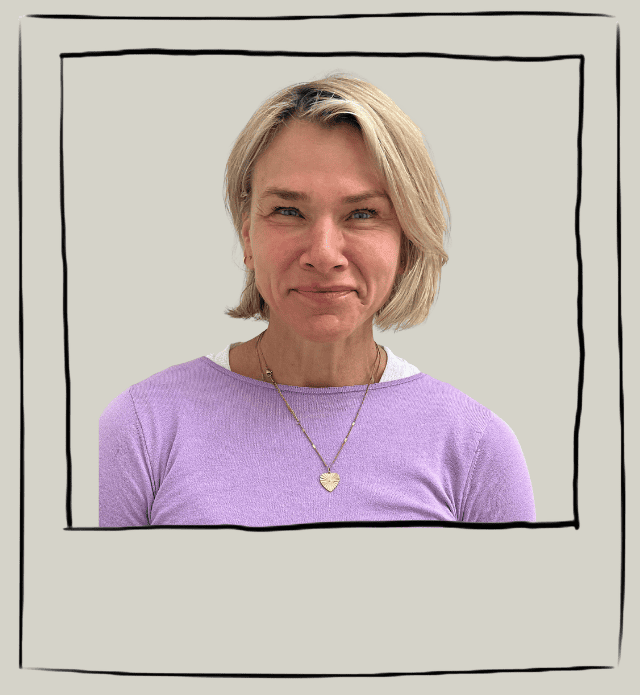
Bianca Zukowski
holistic counsellor + somatic therapist
Shiatsu
What is Shiatsu?
Shiatsu is a Japanese form of therapeutic bodywork informed by Traditional East Asian Medicine. It supports the body as a whole – physical, emotional and energetic – and works to relieve tension, improve circulation, and restore balance in the nervous system.
Shiatsu is traditionally understood to support the flow of qi (vital energy) – helping to settle the nervous system, release held tension and strengthen the body’s natural ability to regulate and recover.
The word Shiatsu translates to “finger pressure,” however treatments may also involve the use of thumbs, palms, elbows, knees or feet, depending on what’s most effective and comfortable for your body.
Shiatsu may help with:
- Fatigue
- Sleep disturbances and restlessness
- Stress, burnout, and nervous system support
- Anxiety, low mood, and emotional regulation
- Digestive discomfort
- Hormonal transitions (puberty, painful periods, perimenopause and menopause)
- Musculoskeletal pain, tension and injuries
- Arthritis and joint stiffness
- Fertility and IVF support
- Pregnancy care (including birth preparation and postpartum support)
Shiatsu can also be booked as a deeply calming reset – especially during periods of stress, overwhelm, or emotional load.
What to expect in a session
Shiatsu is received fully clothed on a comfortable futon (mat) on the floor and can also be provided on a treatment table if preferred or requested. Your session begins with a brief intake to understand what’s happening for you physically and emotionally and tailored to support your needs on the day.
Your practitioner will then work with acupressure points (tsubos) along the meridians, using touch both therapeutically and as a way of assessing areas of tension, stagnation or depletion. Techniques may include holding, pressure, stretching, and gentle mobilisation to support ease through the body.
Depending on your presentation, your practitioner may also incorporate supportive modalities such as cupping, moxibustion (moxa), gua sha, or Sotai (a Japanese movement-based therapy). Pressure is always applied with care and can be adjusted at any time.
Many people feel calmer, lighter, and more grounded after a session. With regular treatments, Shiatsu may help shift longer-term patterns of stress, fatigue, pain, and emotional overload.
Shiatsu is suitable for people of all ages and can be adapted for different bodies, needs, preferences, and comfort levels.
What to wear
Wear something comfortable, stretchy, and easy to move in, because Shiatsu is done fully clothed.
Best options
- Loose comfortable pants
- T-shirt, long sleeve top, or light jumper
- Socks (optional but nice, especially in cooler weather)
When you’re ready, we’d love to support you.
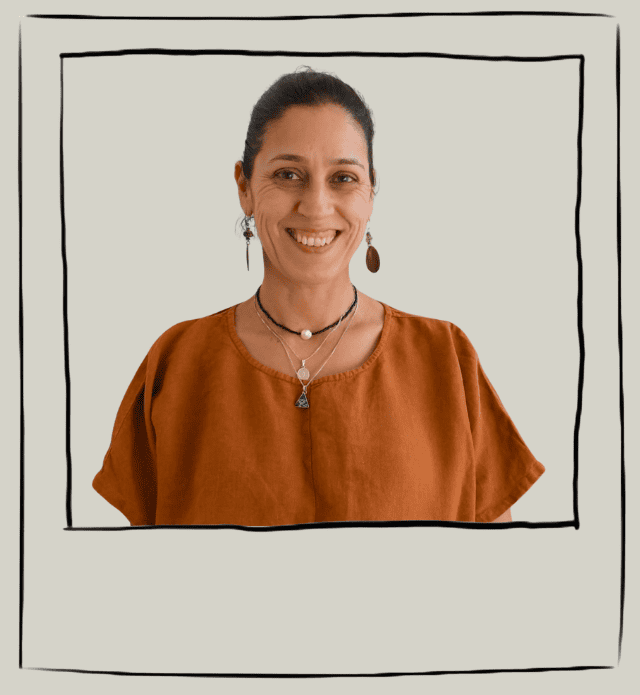
Leonor Ordornez (Lel)
Practitioner of Shiatsu and Oriental Therapies
Nervous System Bodywork
Buccal Massage, Lymphatic Drainage & Fascial Release
Nervous System Regulation, Emotional Release & Deep Detox Support
The face, jaw, neck, and throat hold far more than muscular tension — they hold emotional memory, stress patterns, and the imprints of lived experience stored within the nervous system and fascial network.
Fascia is a continuous web of connective tissue that surrounds muscles, organs, and nerves. It is extremely sensitive and responsive to emotional states, trauma, breath patterns, posture, and protective responses. Over time, unresolved stress and unexpressed emotion can become held in this tissue as tightness, restriction, numbness, or chronic holding — particularly around the jaw, throat, diaphragm and upper chest, areas linked to survival, expression, and the vagus nerve.
Buccal Fascial Release
Buccal massage works both inside and outside the mouth to release deep tension in the cheeks, jaw, and temporomandibular joint. This area is closely connected to emotional expression, the vagus nerve, and our capacity to feel safe enough to soften. Many people unknowingly clench or brace here during stress, anxiety, grief or overwhelm. Gentle, skilled release can create profound relaxation, emotional release, and a sense of inner spaciousness.
Lymphatic Drainage
Lymphatic drainage supports the body’s natural detoxification system, enhancing fluid movement, reducing inflammation, and clearing stagnation. When the nervous system is under chronic stress, lymph flow can become sluggish, contributing to fatigue, brain fog, swelling, and emotional heaviness. Soft, rhythmic techniques stimulate circulation, boost immune function, and restore a feeling of lightness and clarity.
Fascial & Somatic Release
Fascial release allows protective patterns stored in the connective tissue to unwind. Fascia can hold the residue of incomplete fight, flight, or freeze responses, especially around the jaw, throat, neck, and diaphragm. Through gentle touch and nervous-system-informed facilitation, the body is supported to complete these responses and return to regulation. This may present as spontaneous breath release, warmth, emotional waves, tingling, or deep calm.
Benefits May Include
- Nervous system regulation and vagal tone support
- Emotional release and integration
- Reduction in jaw tension, headaches, clenching, and TMJ
- Improved lymphatic flow, detoxification, and immune function
- Release of trauma and stress stored in fascia
- Increased sense of safety, grounding, and self-awareness
Why I Offer This
These treatments are designed to support not only physical wellbeing, but emotional resilience and nervous system health. By creating a safe, attuned environment, the body is gently invited out of survival patterns and back into regulation. This work supports people experiencing stress, anxiety, emotional holding, burnout, trauma, and life transitions, helping restore connection, clarity, and ease within the body.
Is This Right for You?
- This therapy may be particularly supportive if you experience:
- Chronic jaw, neck, or facial tension
- Stress, anxiety or nervous system dysregulation
- Emotional holding, overwhelm or fatigue
- Difficulty switching off or feeling safe to relax
- A desire for deeper emotional and somatic release
Bianca Zukowski
holistic counsellor + somatic therapist
Find the right Therapist for you
If you’re curious about this approach, you may like to explore the therapists who offer this service and see who you feel drawn to.
Gemma Urbini
Family Therapist + Mental Health Occupational Therapist + Reiki Master
Bianca Zukowski
holistic counsellor + somatic therapist
Leonor Ordornez (Lel)
Practitioner of Shiatsu and Oriental Therapies
Ready to Book Your Session?
If you feel drawn to this approach, the next step is booking an appointment with one of our practitioners. You’re welcome to explore the team and select the therapist who feels most aligned.
Not sure who to choose? Get in touch, we’re happy to help.